When Foundation Lifting Is a Better Option Than Repair
When foundation lifting is a better option than repair, local contractors can safely elevate your foundation to prevent further damage and restore stability.
If a property owner notices signs of foundation settlement or uneven floors, understanding when foundation lifting is a better option than repair can be essential. This topic is particularly relevant for those in areas where soil conditions or previous foundation issues might lead to ongoing movement. Exploring the practical differences between these approaches helps homeowners and property owners make informed decisions about stabilizing their structures effectively. Local contractors who specialize in foundation lifting can assess specific situations to determine if this method provides a more suitable, long-term solution compared to traditional repair options.
Continuing to read can reveal important insights into how foundation lifting addresses underlying issues more directly, especially in cases where foundation movement is severe or persistent. Property owners often seek guidance on whether lifting can restore stability without the need for extensive repairs or repeated fixes. By understanding the circumstances that favor foundation lifting, readers can better evaluate their options and connect with experienced service providers in the area who offer this specialized service. This knowledge empowers property owners to choose solutions that promote lasting stability and peace of mind.
- Uneven floors - when floors are significantly sloped or cracked, foundation lifting can realign the structure more effectively than traditional repair methods.
- Foundation settlement - if the foundation has sunk unevenly over time, local contractors may recommend lifting to restore stability rather than extensive repairs.
- Structural shifting - noticeable shifts in walls or door frames can indicate the need for foundation lifting as a more precise solution than patchwork repairs.
- Cracked walls or ceilings - when cracks are caused by foundation movement, lifting the foundation may be a better long-term fix than just repairing surface damage.
- Persistent basement or crawl space issues - ongoing moisture or drainage problems linked to foundation settling can often be addressed more effectively through foundation lifting.

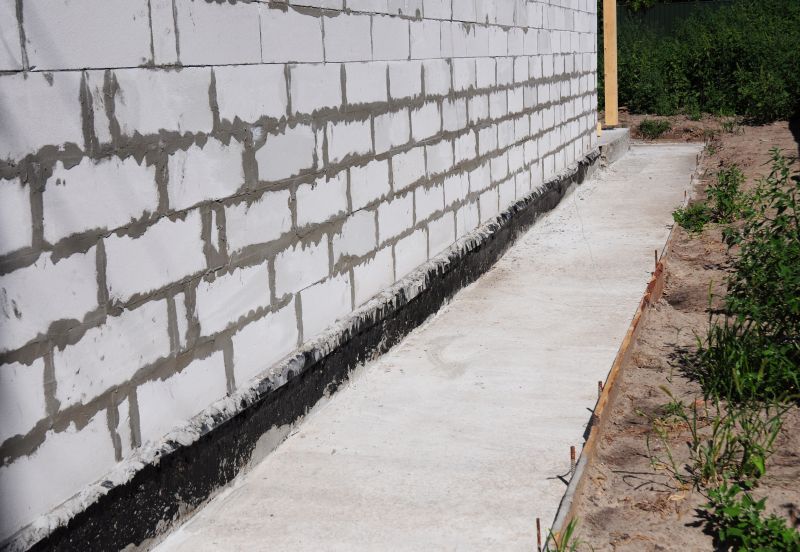
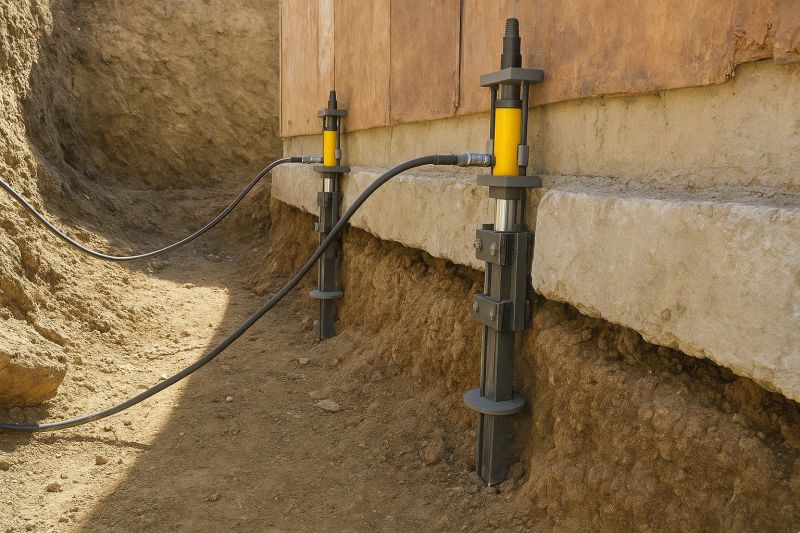
When homeowners search for information about foundation issues, they often want to understand whether their situation requires a simple repair or a more involved solution like foundation lifting. Typically, this search is driven by noticeable signs such as uneven floors, cracked walls, sticking doors or windows, and visible settlement or sinking in the foundation. These problems may indicate that the foundation has shifted or settled unevenly, prompting questions about the best way to restore stability. People interested in this topic are usually trying to determine if a foundation lift can address more severe or complex problems that might otherwise seem to require extensive repairs or even replacement.
Foundation lifting is generally considered a better option than repair when the primary concern is realigning the entire structure or addressing significant settlement that affects the overall stability. Unlike repairs that focus on fixing specific cracks or patching minor issues, foundation lifting actively restores the foundation to its original position. This process can be especially beneficial when the foundation has sunk or shifted unevenly, causing structural misalignment throughout the property. In these cases, lifting helps to correct the underlying problem rather than just masking the symptoms, making it a more comprehensive solution for certain types of foundation movement.
The types of properties that often benefit from foundation lifting include residential homes, especially those with basements or crawl spaces, as well as small commercial buildings. Homes built on expansive soils or in areas prone to soil movement are more likely to experience the kind of foundation settlement that can be addressed with lifting. Properties with significant unevenness, such as sloping floors or cracked walls, may be candidates for foundation lifting when the goal is to restore the building’s original geometry and support. Local contractors who specialize in foundation lifting can evaluate these properties to determine if this approach is suitable for resolving the underlying issues effectively.
Understanding when foundation lifting is a better option than repair involves recognizing the extent and nature of the foundation issues. If the problem stems from uneven settlement or subsidence that affects the entire structure, lifting can provide a more permanent and stable solution. It is also appropriate when the foundation has sunk significantly, causing structural misalignment or damage to the building’s framing. Local service providers experienced in foundation lifting can assess the property’s condition, explain the potential benefits, and recommend the most suitable approach based on the specific problems. This ensures that homeowners have access to expert guidance and options tailored to their property’s needs.
Soil Stabilization Projects - local contractors use similar techniques and equipment to stabilize soil and prevent foundation settlement, which can be an alternative to foundation lifting in certain cases.
Basement Waterproofing Services - professionals in waterproofing often work with foundation specialists to address underlying issues that cause ground movement and structural shifts.
Pier and Beam Foundation Services - these projects involve lifting and leveling structures, sharing skills with foundation lifting to correct uneven or sinking foundations.
Retaining Wall Construction - building retaining walls requires understanding soil pressure and ground stability, skills that are also essential in foundation lifting projects.
Settlement Repair Solutions - local service providers handle repairs for uneven or settling foundations, often utilizing lifting techniques when appropriate.
Structural Reinforcement Projects - reinforcing or underpinning existing structures involves planning and tools similar to those used in foundation lifting, especially when addressing shifting ground.
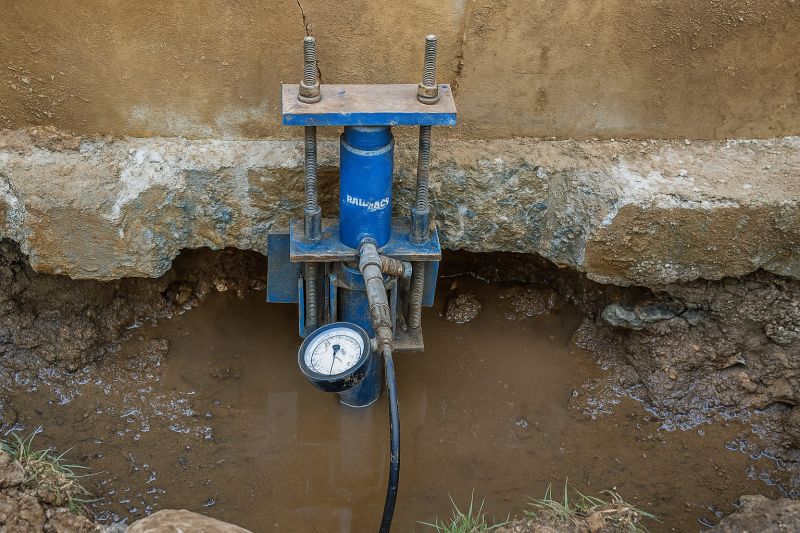
When evaluating foundation lifting services, homeowners should consider the experience of local contractors with similar projects. An experienced service provider will have a clear understanding of when foundation lifting is a better option than repair, based on the specific conditions of the property. It’s helpful to inquire about previous work on foundations with comparable issues or structural concerns, as this can provide insight into their familiarity with the process and outcomes. Contractors with a proven track record of handling foundation lifting projects are more likely to deliver effective solutions tailored to the unique needs of each home.
Clear, written expectations are essential when comparing local service providers for foundation lifting. Homeowners should seek detailed proposals that outline the scope of work, methods to be used, and the anticipated results. Transparent communication about what the project entails helps prevent misunderstandings and ensures that everyone is aligned on the goals. Well-documented plans also make it easier to evaluate whether a contractor’s approach aligns with the homeowner’s specific concerns about foundation stability and the potential benefits of lifting versus repair.
Reputable references and good communication are key factors in choosing the right local contractor for foundation lifting. Service providers who can offer references from past clients with similar projects demonstrate a history of successful work. Additionally, responsive and clear communication throughout the process indicates professionalism and a commitment to customer understanding. Homeowners should feel comfortable asking questions and receiving thorough explanations, which can help them make informed decisions about whether foundation lifting is appropriate and which contractor is best suited to handle the job effectively.
Property owners often search for when foundation lifting is a better option than repair when they are planning practical projects around their homes and businesses. Local pros provide Foundation Lifting services for everyday jobs and straightforward project options.
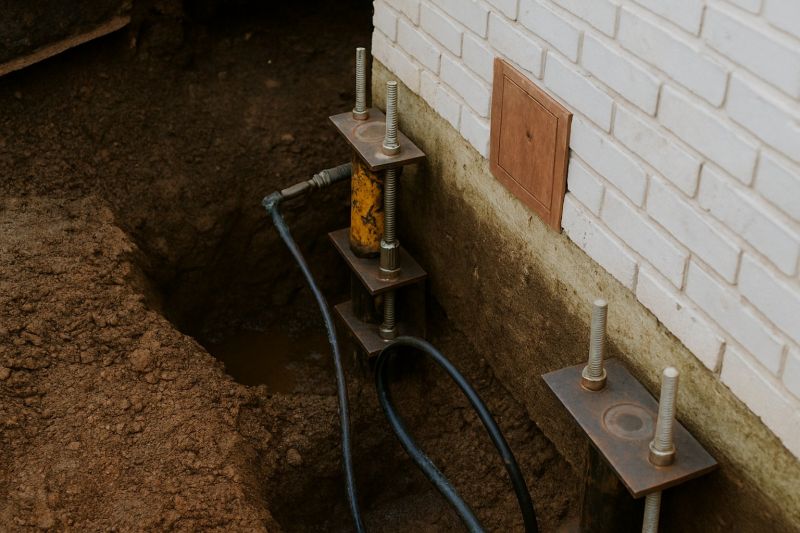

When property owners notice uneven floors, sticking doors, or cracks in walls, they often wonder whether foundation repair is necessary or if foundation lifting might be a better solution. In many everyday situations, especially when the signs of settling are mild and the structure remains stable, foundation lifting can address the issue without extensive repairs. Local contractors who specialize in foundation lifting are equipped to evaluate these conditions and determine if lifting can restore the property’s levelness effectively, often providing a more straightforward and less invasive option.
In cases where the foundation has experienced significant sinking or shifting, repair might seem like the only choice. However, for certain types of foundation movement, particularly when the goal is to realign and level the structure, foundation lifting can be a more suitable approach. Property owners in the area seeking to improve stability and prevent future problems frequently turn to experienced service providers for advice and solutions. These local experts can assess the situation and recommend whether foundation lifting is a practical, efficient alternative to traditional repair methods.
When is foundation lifting a better option than repair? Foundation lifting is typically preferred when the foundation has experienced significant settlement or uneven sinking that can be corrected by raising it back to its proper level, rather than just addressing superficial cracks or minor issues.
How do I know if foundation lifting is suitable for my property? Local contractors can assess the extent of foundation movement and determine if lifting will effectively stabilize the structure and prevent further damage, especially in cases of severe or ongoing settlement.
What signs indicate that foundation lifting might be more effective than traditional repair? Indicators include large or deep cracks, uneven floors, or doors and windows that don’t close properly, which suggest that lifting could restore stability more efficiently than surface repairs alone.
Can foundation lifting address all types of foundation problems? No, foundation lifting is mainly effective for issues caused by settlement or sinking. For problems like expansive soil or extensive structural damage, repair methods might be more appropriate, and local service providers can evaluate the best approach.
Why might foundation lifting be a better choice than repair for severe foundation issues? When foundation problems are severe and involve significant sinking or shifting, lifting can restore the foundation to its proper position, potentially preventing the need for more invasive or extensive repair work later on.
Assessing foundation movement - property owners can evaluate signs of uneven floors or sticking doors to determine if foundation lifting is suitable over repair.
Addressing significant settlement - when a property experiences substantial sinking, foundation lifting can restore stability more effectively than patching cracks.
Preventing ongoing damage - in cases where foundation issues are causing structural concerns, lifting can halt further deterioration better than simple repairs.
Restoring property value - for homes with noticeable foundation shifts, foundation lifting can provide a long-term solution that enhances stability and safety.
If you are thinking about when foundation lifting is a better option than repair for a property, this guide is meant to help you understand this topic, the typical project types, and how different options might fit your plans.
When you are ready, you can use the quote form on this page to share a few details about your project. From there, local pros can review the basics and follow up with options that match what you have in mind.